GLP-1 Users Who Track May Lose Up to 45% More Weight
Real-world data suggests greater weight loss among GLP-1 users who track injections and weight

There’s something quietly powerful happening in the overlap between medication and mindfulness. Across thousands of people taking GLP-1 medications for weight management, a pattern has emerged that challenges our assumptions about how these drugs work in real life: the simple act of paying attention — tracking your injections, logging your weight, staying engaged with your progress — appears to transform outcomes in measurable ways.
Author note: This analysis was conducted by our research team at Glapp, a digital health platform designed for GLP-1 users. All data are based on user self-reported information from the Glapp platform and were anonymized with user consent for aggregated research purposes under our Terms of Service.
The Core Finding
Among active Glapp users in early treatment (weeks 4–12), we’re seeing weight loss outcomes that exceed standard clinical trial benchmarks by roughly 25–45% in relative terms. This aligns with independent research showing that digital engagement meaningfully boosts GLP-1 effectiveness.
The central question driving this analysis is straightforward: When people on GLP-1 therapy actively track their metrics, do they achieve better results than clinical trial participants taking the same medications without digital support?
Why SURMOUNT‑5 is Our Benchmark
To understand whether tracking makes a difference, we needed a rigorous, modern benchmark. SURMOUNT-5 stands alone as the only large-scale, head-to-head phase trial directly comparing tirzepatide and semaglutide for obesity under identical conditions.
This 72-week study enrolled adults with obesity or overweight plus weight-related health concerns (but not diabetes) and randomized them equally to tirzepatide (10 or 15 mg weekly) or semaglutide (1.7 or 2.4 mg weekly). Participants lived their normal lives, attending regular outpatient visits for injections, lab work, and weight checks. At 72 weeks, tirzepatide achieved approximately 20.2% mean weight loss compared to 13.7% for semaglutide — a 47% relative advantage.
We selected SURMOUNT-5 because it’s transparent, peer-reviewed, methodologically rigorous, and mirrors real-world GLP-1 use: weekly injections, common health challenges, modern obesity doses, identical background conditions.
Our Analytical Approach
This isn’t a clinical trial. It’s a retrospective analysis of real-world users who chose GLP-1 therapy and opted to track their journey in Glapp. All data are user self-reported through the Glapp app. Our Research Lead examined anonymized platform data from:
- 5,864 US adults using tirzepatide (Mounjaro or Zepbound)
- 4,456 US adults using semaglutide (Ozempic or Wegovy)
Inclusion criteria:
- Active GLP-1 therapy with weekly injections
- Minimum 12-week tracking duration
- Adherence threshold: ≥1 injection log and ≥1 weight entry per week
- No weight entries outside physiological bounds (30–300 kg) or with weekly changes exceeding 5%
Primary outcome: Percentage body weight change from baseline, calculated as [(current weight − baseline weight) / baseline weight] × 100, where negative values indicate weight loss
Data collection period: Data were collected from all available platform records through January 2026, representing naturalistic use patterns without researcher intervention. As with any observational analysis of self-selected app users, some degree of selection bias may be present.
The Results
Semaglutide Outcomes
Week 4 Results
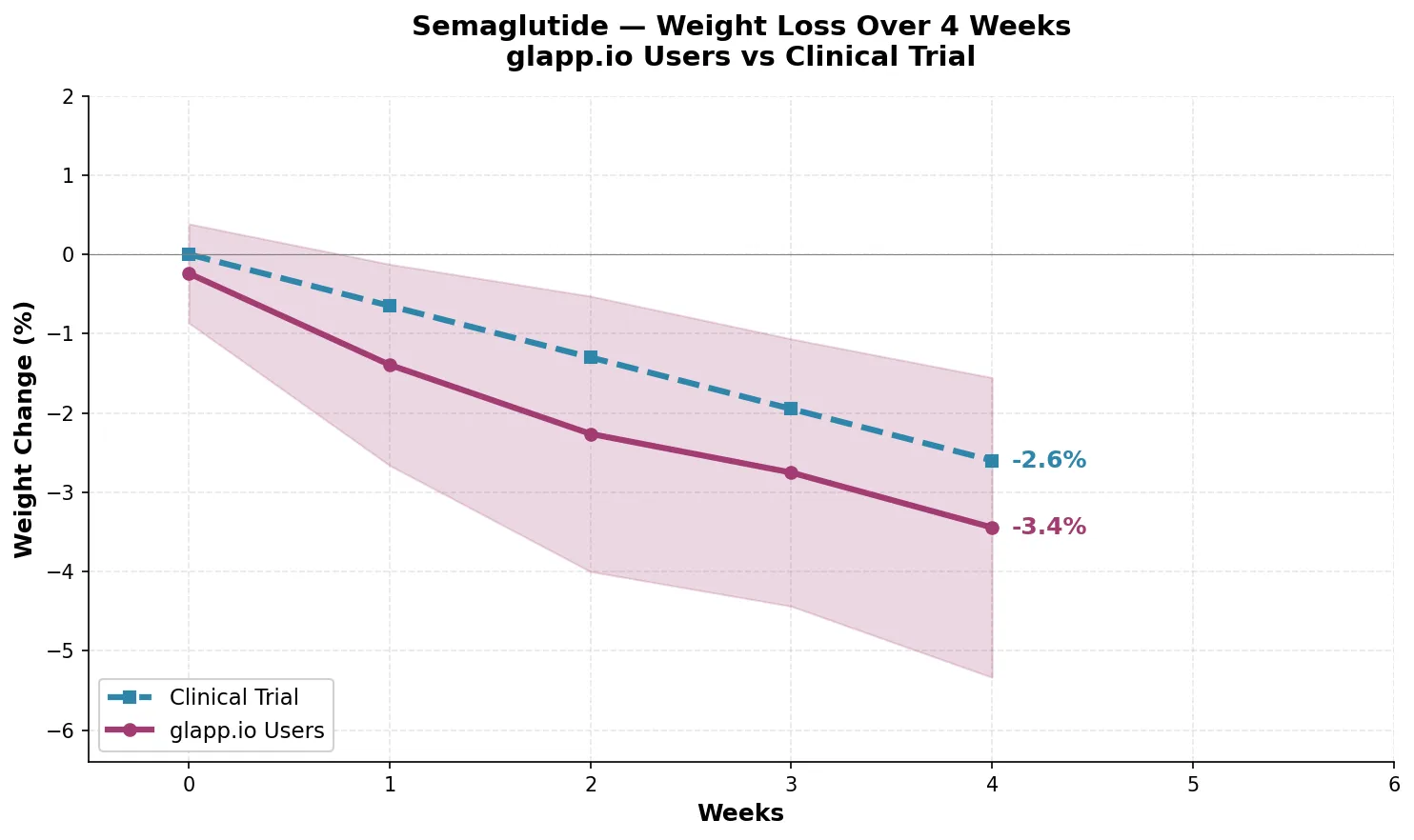
Semaglutide weight loss comparison at 4 weeks: Glapp users achieved −3.4% vs −2.6% in SURMOUNT-5 trial.
- SURMOUNT-5 trial: −2.6% mean weight loss
- Glapp users: −3.4% mean weight loss
- Relative improvement: +30.8%
Week 12 Results
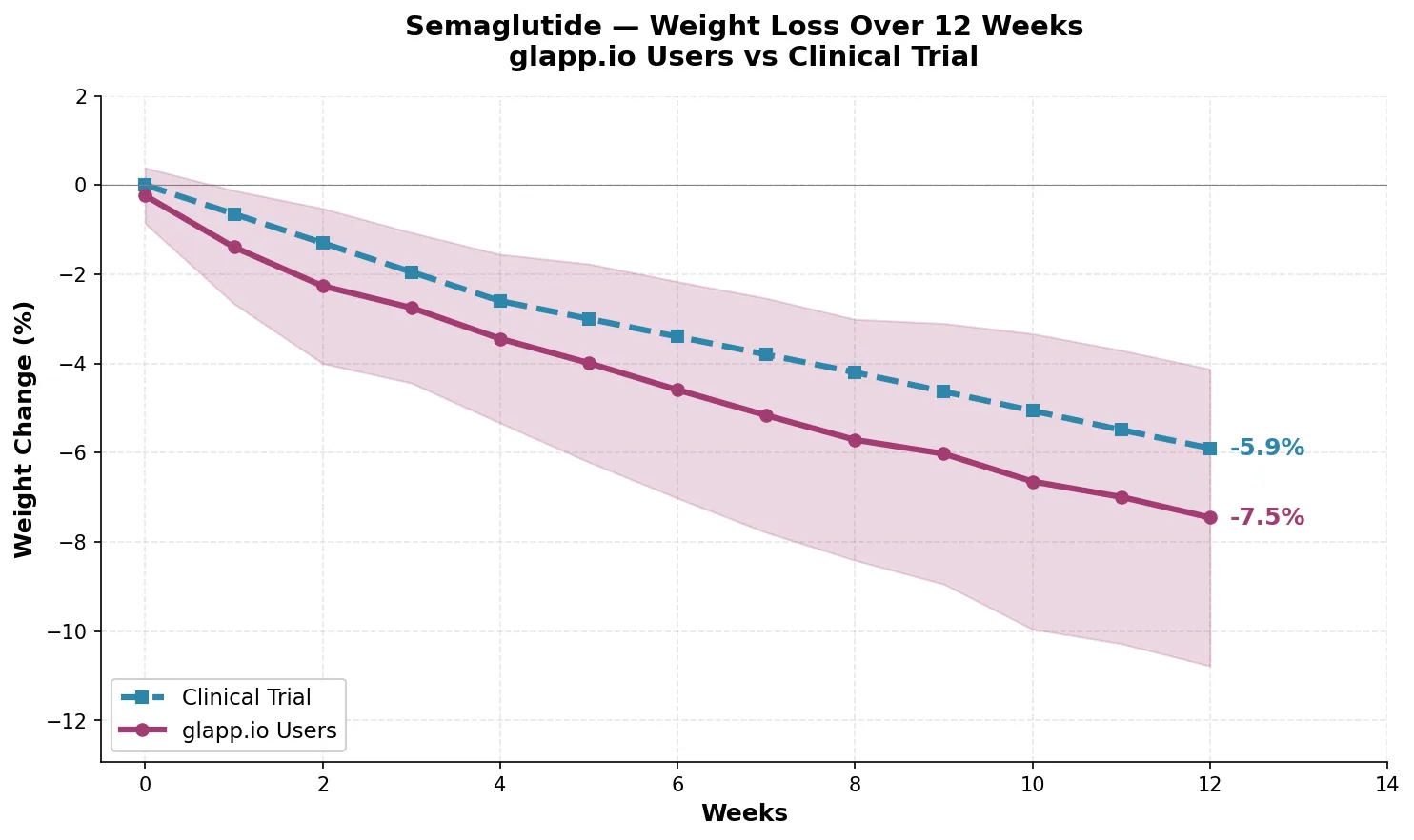
Semaglutide weight loss comparison at 12 weeks: Glapp users achieved −7.5% vs −5.9% in SURMOUNT-5 trial.
- SURMOUNT-5 trial: −5.9% mean weight loss
- Glapp users: −7.5% mean weight loss
- Relative improvement: +27.1%
Key insight: Over the first 12 weeks, digitally engaged semaglutide users achieved approximately 25–30% greater weight reduction compared to clinical trial participants receiving identical pharmacotherapy.
Tirzepatide Outcomes
Week 4 Results
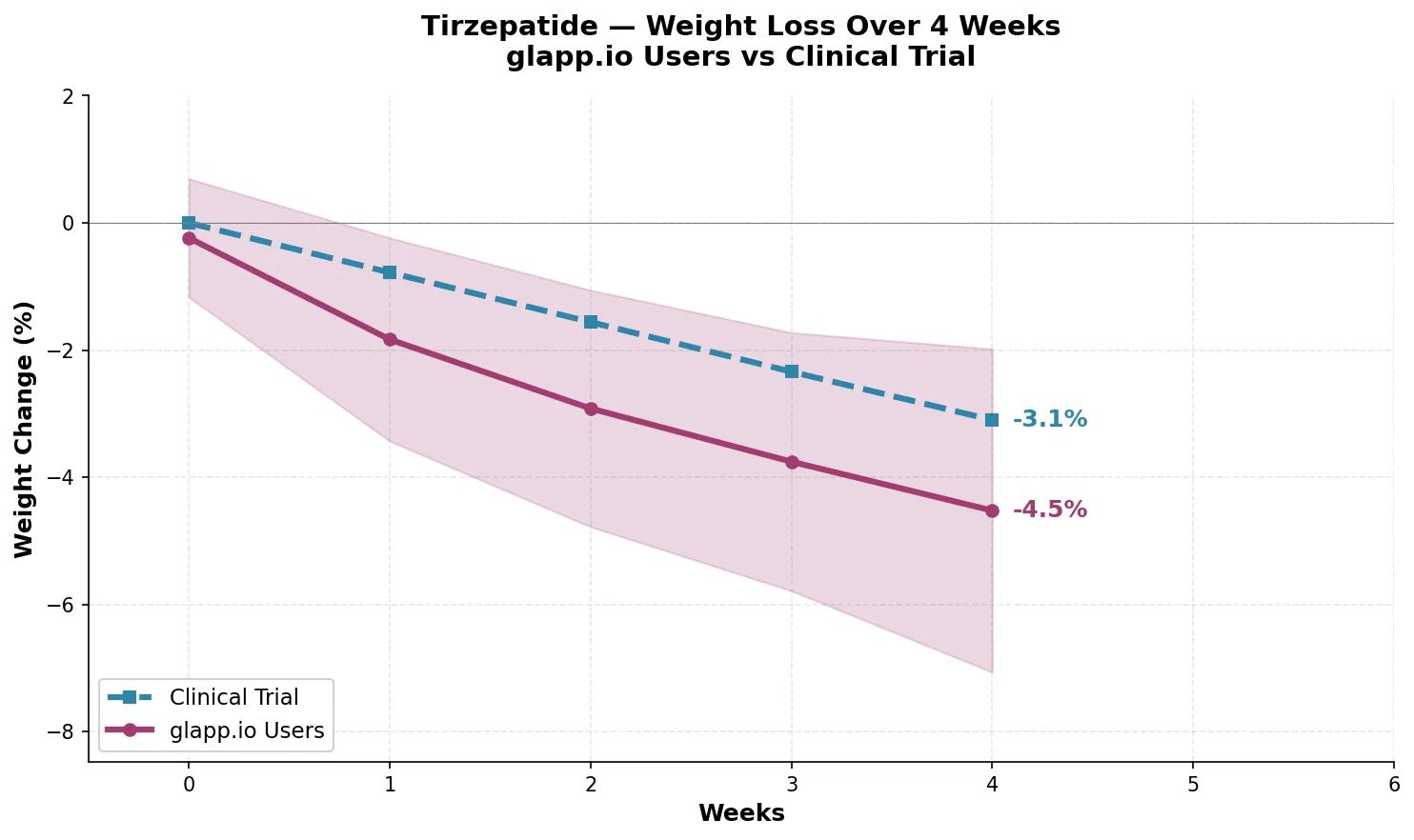
Tirzepatide weight loss comparison at 4 weeks: Glapp users achieved −4.5% vs −3.1% in SURMOUNT-5 trial.
- SURMOUNT-5 trial: −3.1% mean weight loss
- Glapp users: −4.5% mean weight loss
- Relative improvement: +45.2%
Week 12 Results
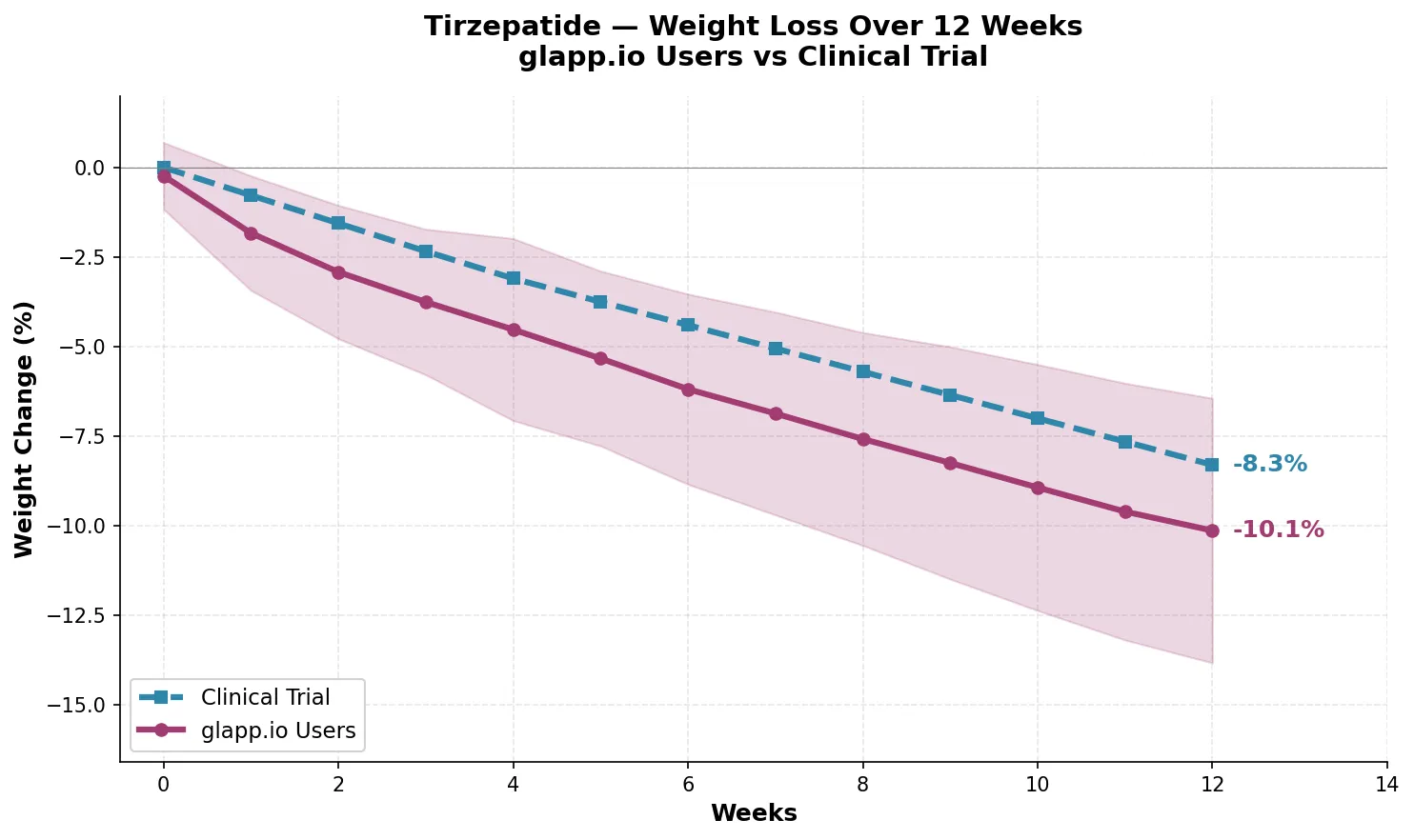
Tirzepatide weight loss comparison at 12 weeks: Glapp users achieved −10.1% vs −8.3% in SURMOUNT-5 trial.
- SURMOUNT-5 trial: −8.3% mean weight loss
- Glapp users: −10.1% mean weight loss
- Relative improvement: +21.7%
The Broader Scientific Conversation
Our findings don’t exist in isolation. They’re part of an emerging scientific narrative about how engagement transforms medical outcomes. Consider the external evidence:
External Evidence
A massive UK cohort study tracking 57,975 people using GLP-1s within a digital platform found that engaged users — those using coaching, logging weight regularly, staying active in the app — lost 3.1 percentage points more at 3 months (9.0% vs 5.9%) and 3.5 points more at 5 months (11.5% vs 8.0%) than their non-engaged counterparts.
Another GLP-1-focused digital service reported that app engagement (weight logging, feature use, coaching) significantly increased the odds of hitting meaningful weight-loss thresholds (≥5–25%) and reduced weight regain compared to non-engagement.
And the behavioral science foundation runs deep: classic weight-loss trials consistently demonstrate that self-monitoring — of diet, activity, weight — is a central mechanism of success. Adherence to self-monitoring fully mediates the effect of digital feedback frequency on long-term outcomes.
The pattern is clear: When people combine GLP-1 therapy with consistent digital engagement — logging, reviewing feedback, staying connected to their data — they lose more weight and maintain it better than those taking the same medications without that behavioral scaffolding.
Why Would Tracking Make Such a Difference?
This is observational data — it can’t prove that tracking causes better outcomes. But several compelling mechanisms could explain the connection:
Attention as Medicine
Perhaps most fundamentally, tracking represents attention. It signals to yourself that this matters, that you’re invested, that you’re not just taking a shot and hoping for the best. That psychological shift—from passive recipient to active participant—might be transformative in itself.
The Power of the Feedback Loop
There’s something profound about seeing your actions translate into results. When you log an injection on Monday and see your weight trend downward by Friday, your brain registers a connection. That connection reinforces the behavior, creating a positive cycle.
Meta-analyses and randomized controlled trials consistently show that self-monitoring of weight, diet, and activity predicts greater weight loss, and that more frequent feedback strengthens the monitoring habit, which then drives outcomes.
For the Glapp users in this analysis, the minimum threshold was one logged injection and one weight entry per week. That modest level of engagement aligns with clinical trials where regular logging strongly predicts success—it’s enough to create awareness without becoming burdensome.
Building Habits Around a Powerful Tool
GLP-1 medications are remarkably effective at reducing appetite and improving satiety. You genuinely feel less hungry. But medication alone doesn’t teach you:
- What to eat when you do feel hungry
- How to structure your meals
- How to navigate social eating situations
- How to incorporate movement into your life
Long-term success requires building sustainable habits—and this is where digital tools might provide crucial support. Reminders help you stay consistent. Trend visualizations show you what’s working. Side-effect coaching helps you troubleshoot challenges. Educational content teaches you why certain approaches work better than others.
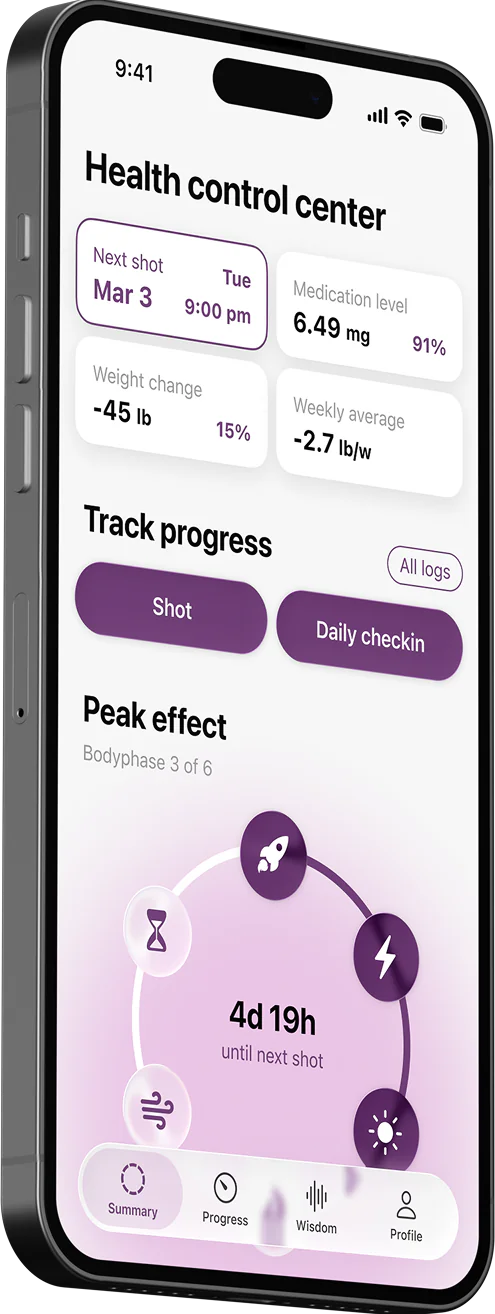
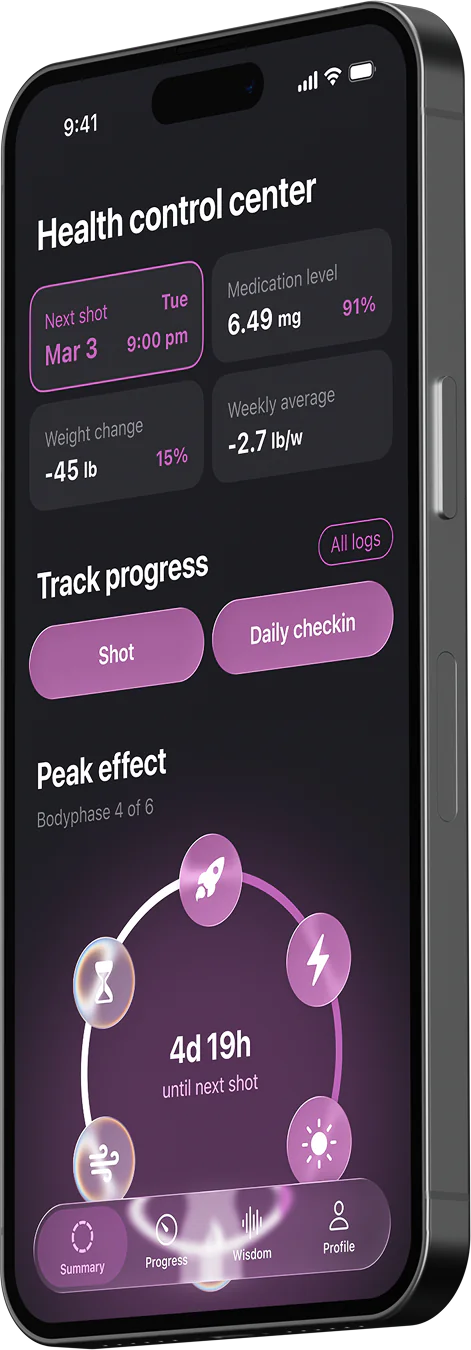
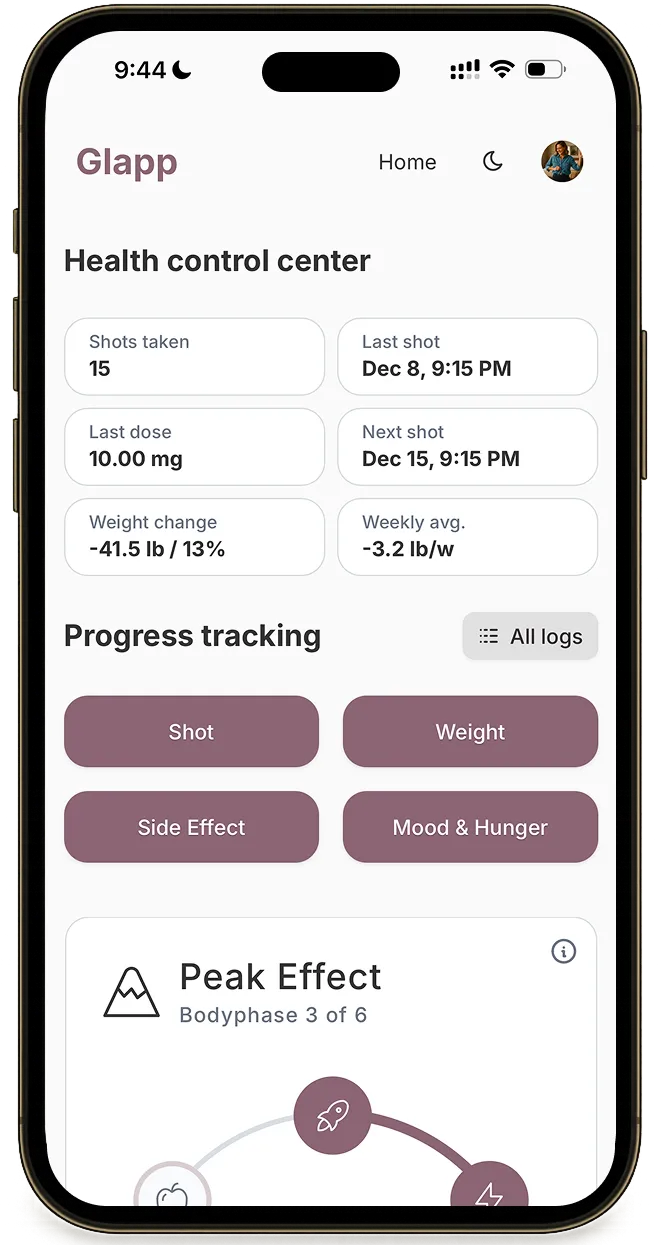 Log your journey Shots, weight, side effects, hunger, and mood.
 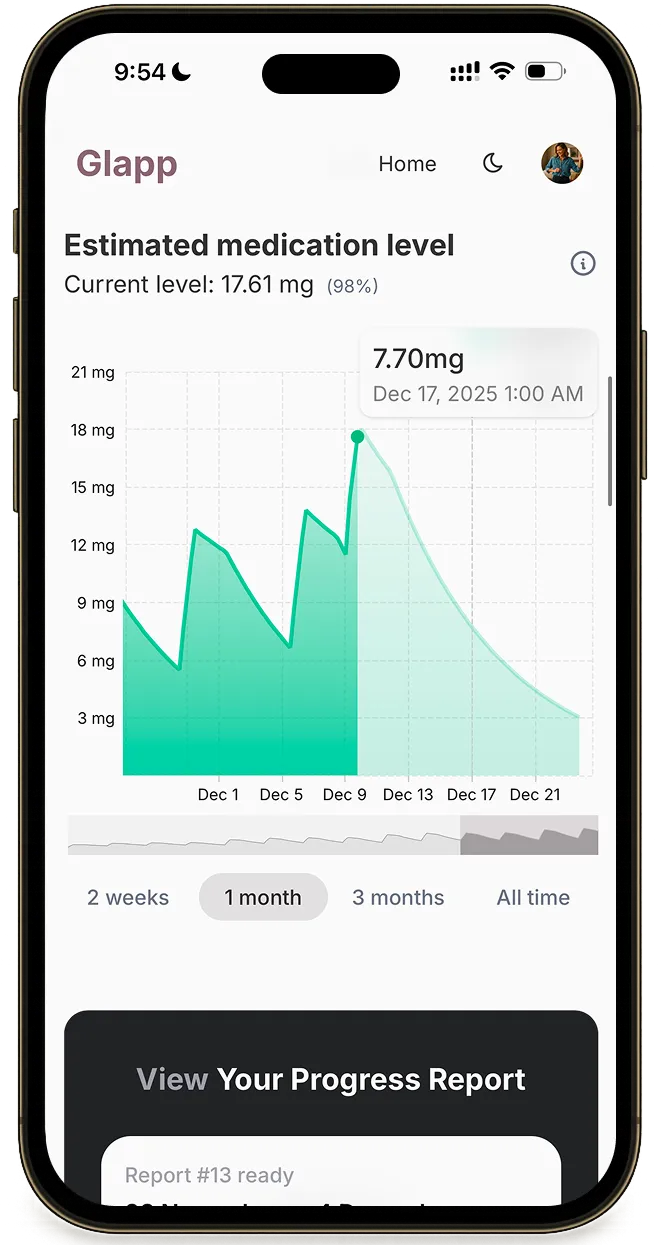 Understand your response See your drug cycle and recommendations.
 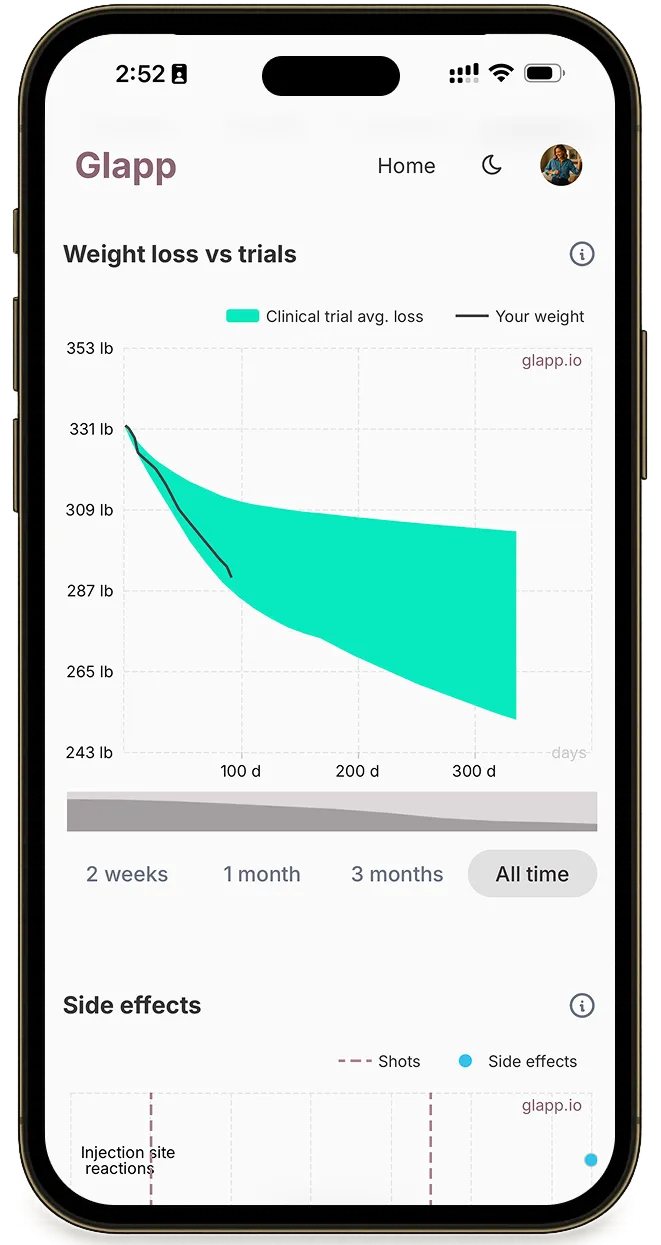 See weight loss results Reports with peer and trial comparisons.
 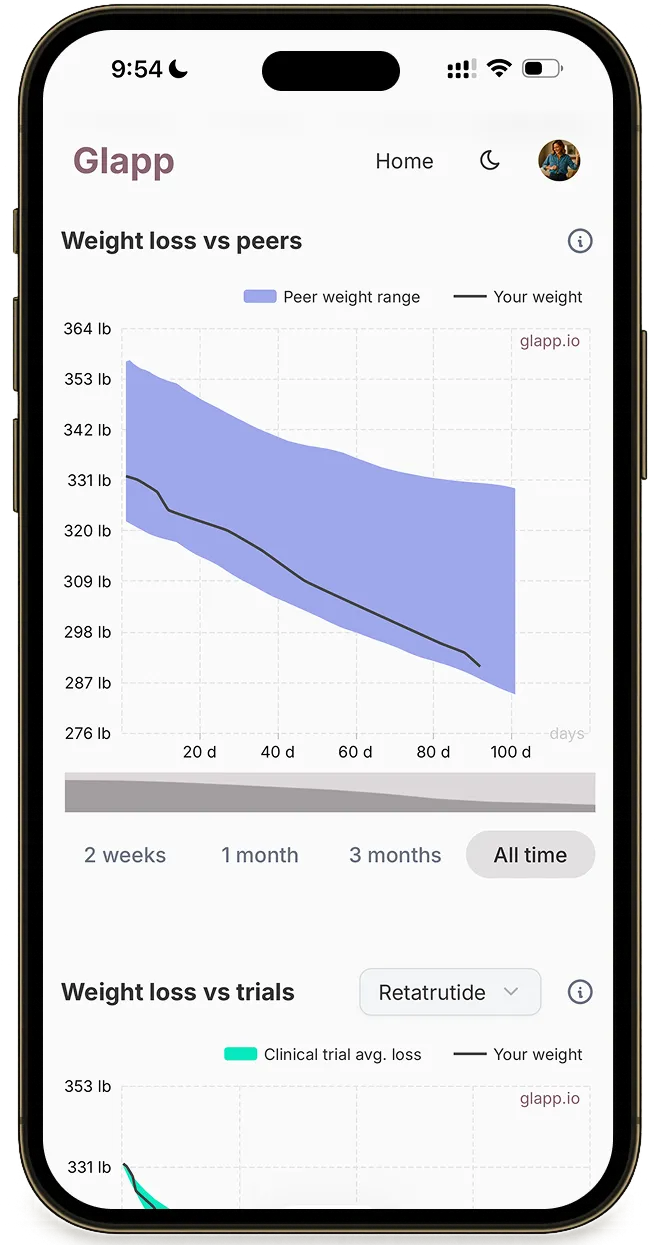 Compare to peers Understand your pace against others.
 In essence, tracking might help you “lock in” behavioral changes while the medication is doing its pharmacological work. The drug reduces your appetite; the tracking helps you learn new patterns that will serve you even if you eventually discontinue the medication.
Limitations
This is an observational analysis with several important caveats. Glapp users are self-selected—people who use a tracking app may already be more motivated than typical GLP-1 patients. Our analysis also includes a survivorship component: users who remain active long enough to reach the 12-week milestone may differ systematically from those who discontinue earlier. We compare real-world users on varying doses against clinical trial participants on maximum approved doses, which may slightly favor real-world results at earlier timepoints when many users haven’t yet titrated up. Finally, all weight data are self-reported and not clinically verified.
Conclusions
Digital behavior tracking isn’t just a passive record of what happens on GLP-1 therapy—it appears to be an active amplifier of the therapy’s real-world effectiveness.
Among Glapp users consistently engaging with their data in early treatment, weight loss outcomes exceed clinical trial benchmarks by 25–45% in relative terms across both semaglutide and tirzepatide. These results align directionally and quantitatively with independent studies showing 3–5 percentage point absolute gains from digital engagement.
The evidence supports a working hypothesis worth taking seriously: paying attention matters. Tracking creates awareness. Awareness enables adjustment. Adjustment compounds over time.
For research collaborations or media inquiries related to real-world GLP-1 outcomes, please contact: vm@glapp.io